

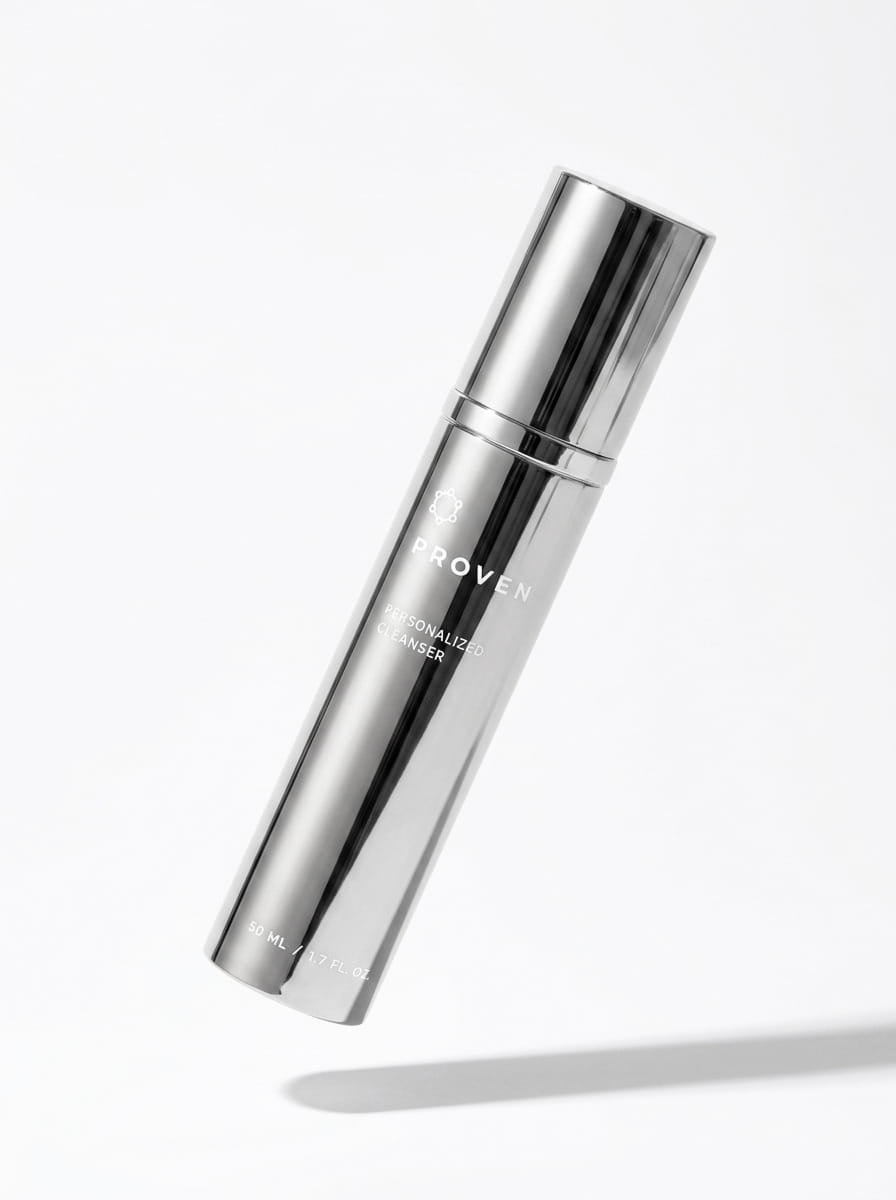
Personalized Cleanser
A gentle wash with exfoliating and toning properties — calibrated to your skin.
Take a quiz. We analyze your factors and build a formula made for you alone.
Everyone has oil in their skin. Under each pore is a sebaceous gland that produces natural oils called sebum, which helps keep your skin hydrated and healthy. In some people, though, the sebaceous glands produce too much oil.
Apple Cider Vinegar
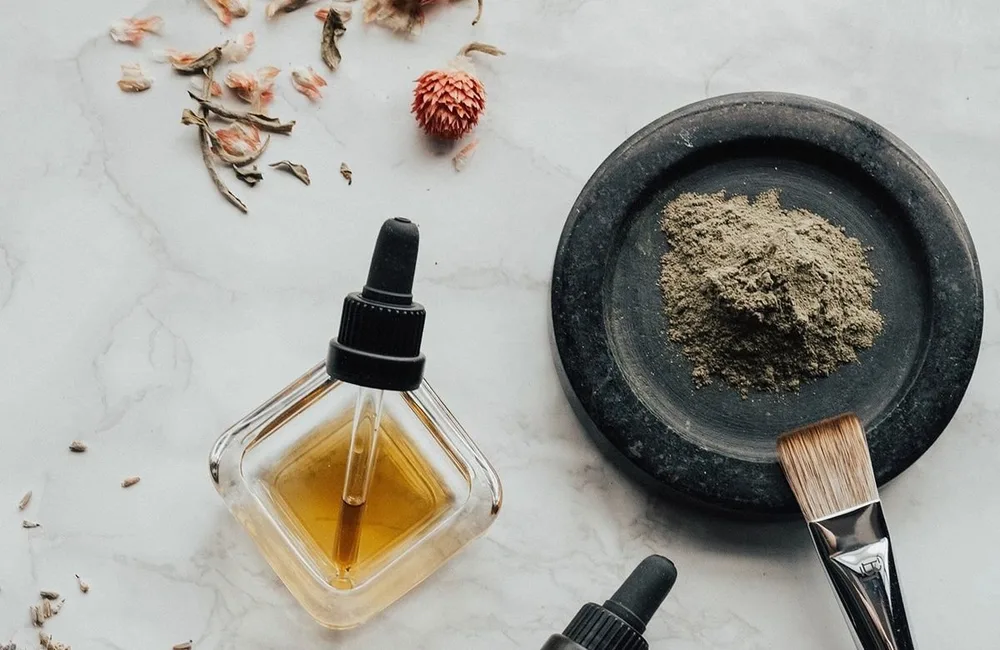
Because it contains citric acid (a natural AHA), and acetic acid, (antifungal and antimicrobial) natural apple cider vinegar can help increase cell turnover and fight blemish-causing bacteria. You can use it as a cleanser or as a toner. It’s strong, so don’t apply it alone. To make a cleanser, use 1/4 cup liquid castile soap and 1 tablespoon of apple cider vinegar. For a toner, use a 3:1 or 2:1 ratio of water to ACV, and swipe over your face with cotton balls.
Kaolin clay
Using a kaolin clay scrub once or twice a week can help balance oily skin. This kind of clay absorbs excess oil without stripping skin’s moisture, and can also help tighten pores. Some have found that regular use helps to balance their skin's oil production, reducing oily skin symptoms. Kaolin clay becomes a smooth paste when mixed with water, with tiny grains that gently exfoliate and refresh the skin. Just remember: don’t press it hard into your face or scrub excessively, because that can irritate or even damage your skin—the gentle exfoliating action of the clay itself is all you need.
Lavender hydrosol
Lavender hydrosol is made from the water collected during the steam distillation process of lavender essential oil. Due to its antiseptic and anti-bacterial properties, lavender hydrosol will help control oil production if you spritz it regularly on your face every few hours over the course of the day, giving you calmer, more balanced skin.
Tea tree oil
This herbal remedy derived from tea tree leaves has antimicrobial and anti-inflammatory effects that help combat a range of germs, fungus, and bacteria, says Laurel Naversen Geraghty, MD, a dermatologist in Medford, OR. "The fact that tea tree oil helps combat bacteria-driven acne means it may help reduce the inflammatory type of blemishes—the tender pustules or inflamed pink papules," she says. N.B.: if you have acne rosacea, you should not use tea tree oil, because it can worsen symptoms.
Jojoba oil
Jojoba oil is a great way to moisturize oily skin. Why? It tricks the skin into believing it has produced enough oil, because jojoba oil is similar in consistency to skin’s natural oils (a.k.a. sebum). That also means that it absorbs well into the skin. When applied regularly, jojoba oil acts as an effective moisturizer, which decreases the need for your skin to produce as much sebum on its own.
Remember: natural ingredients that can help balance oily skin are wonderful, but they often work even better when combined with effective synthetic ingredients. The best products out there use a blend of the most effective natural and man-made ingredients.
At PROVEN, we’re committed to this approach. We’re all about the cutting-edge science of skincare, and that includes using the most effective natural ingredients. It also includes creating clean products that are completely free of phthalates, parabens, SLS and formaldehyde, and never testing on animals. Click here to start your journey toward totally personalized skincare that you can feel good about—inside and out.
Built from 47 factors of your skin profile — a cleanser, day moisturizer, and night cream calibrated to you from the 3-step Skin Genome Quiz.
A gentle wash with exfoliating and toning properties — calibrated to your skin.
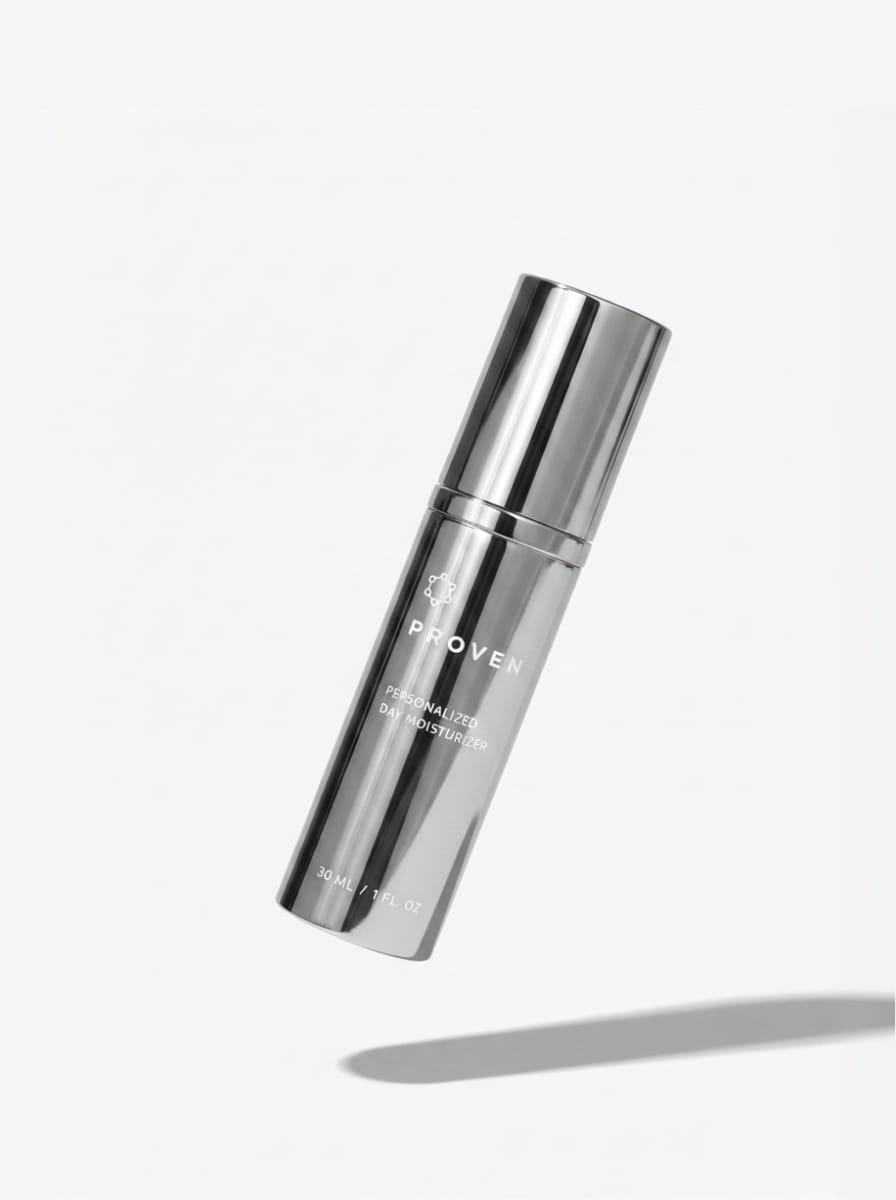
Lightweight daytime hydration — formulated for your skin.
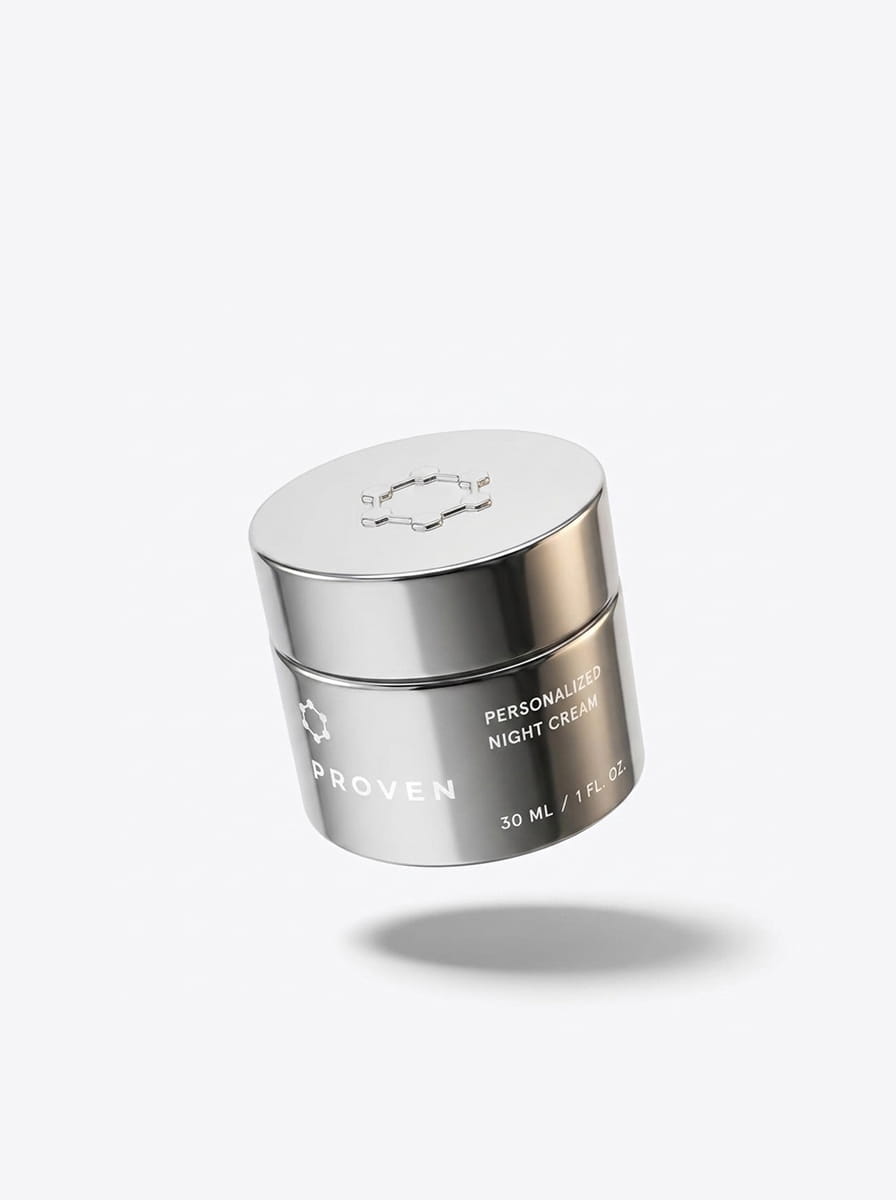
Overnight repair with the active ingredients your skin needs most.